
You Didn’t Lose Your Curiosity. You Monetized It to Death.
Not everything has to become something.

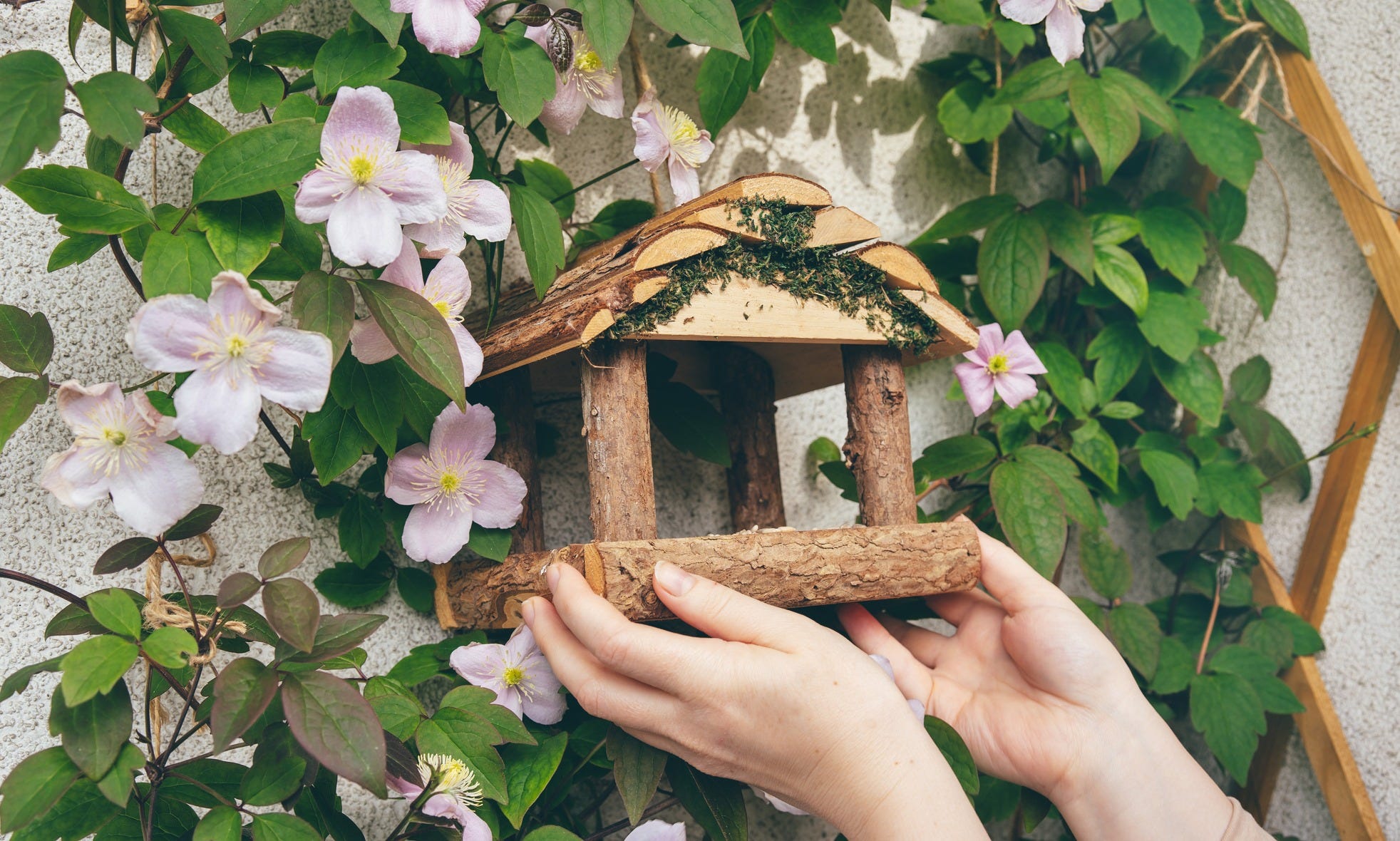
Somewhere between 35 and 45, most of us stopped having hobbies.
Not just because we got busy (although we did). But because we stopped doing anything just for the hell of it.
The thing that lit you up had an expiration date.
You remember how it started. You signed up for a pottery class, bought a camera, and planted a garden. Something lit up inside you that hadn’t lit up in a while. You weren’t trying to grow an audience. You weren’t building a brand. You were just... playing. It felt good. It felt like you, actually, some version of you that got buried under school pickups and keeping everyone else intact.
Then the thought crept in.
Could I do something with this?
And just like that, the thing you loved became a thing you had to justify.
Productivity culture has a lot to answer for.
This isn’t a personal failing. It’s a cultural one. We live inside a system that rewards productivity so relentlessly that doing something for no reason starts to feel irresponsible. Like a luxury. Like something you haven’t earned yet.
Psychologist Patricia Linville has a term for what hobbies actually give us: self-complexity.
The idea is that when your entire identity is stacked in one place, like your job, your marriage, or your role as the competent one, a single crack in that structure threatens the whole thing.
But when you have multiple corners to your identity, you’re harder to knock down. One bad day at work doesn’t undo you, because work isn’t the whole building.
Hobbies are one of the few places where that kind of self-complexity gets built without effort. But only if you let them exist outside the performance economy.
The moment you add metrics, you kill the magic.
The moment you introduce metrics, followers, revenue, “content,” and progress, the hobby starts carrying weight. Your enjoyment gets tied to output. What used to restore you starts to deplete you.
You’re not playing anymore. You’re producing.
She quit the one thing that was actually hers
I had a client who’d picked up watercolor painting after her youngest left for college. She loved it. She’d sit at the kitchen table on Sunday mornings with her coffee and cheap brushes, and for the first time in years, she felt like she was just a person doing a thing.
Six months later, she’d set up an Etsy shop.
Three months after that, she’d quit painting entirely.
When I asked her why, she said, “It stopped being mine.”
When someone isn’t afraid to want things
Yesterday, I had a fabulous conversation with my client, Nancy, who’s getting close to retirement. I asked her what she wanted to do with her time.
She didn’t hesitate.
Longleaf pine forest restoration. Pitcher plants. More pottery. Art classes. She is switching out her landscaping to all native plants. Finishing her master gardener certification with LSU Extension. Starting a community garden and a mobile food bank to reach people in rural areas without transportation. Getting back into serious birding, not just watching from the porch. A nature photography course. And she’s had posts set in her yard for years, holding the spot for a greenhouse she wants to build out of old windows she’s been collecting from abandoned houses.
That’s not a list. That’s a life.
I sat there just... listening. And I noticed something. Not once did she say, “I could probably monetize the ‘photography,’ or “Maybe the gardening could become something.” She just wanted to do things. Because they interested her. Pitcher plants trap insects with their smell and dissolve them for nitrogen, and that is genuinely fascinating. Because she took a graduate-level ornithology class once and never stopped loving birds. Because there are people in rural parts of her state who can’t get to a food bank, and she wants to fix that.
She was lit up in a way I don’t see often.
And I realized, this is what curiosity looks like when it hasn’t been strangled by the question, “But what does it produce?”
Most of us have forgotten how to want things just because we want them. We’ve been so trained to justify our interests, to make them useful, to make them productive, to make them make sense to someone else, that the wanting itself has gone quiet.
Nancy never got that memo. And she’s going to have a hell of a retirement.
You don’t get a hobby and an income.
That’s the thing nobody tells you: when you turn a hobby into a hustle, you don’t get a hobby and an income. You lose the hobby and gain pressure.
So here’s what I’d ask you to try. Not a system. Not a framework. Just one thing.
Keep one interest completely to yourself.
Don’t post it. Don’t pitch it. Don’t even explain it to people who ask why you’re doing it. No audience, no metrics, no “content.” Just you and the thing. If the urge comes up — and it will — to figure out how to use it, notice that urge without following it.
That noticing is enough. Curiosity doesn’t need a business model to be legitimate.
The only question worth asking
There’s a simple question worth sitting with: Would you still do this on a day when nothing came of it?
No progress. No recognition. Nothing to show at the end. If the answer is yes, even a quiet yes, even an uncertain one, that’s worth protecting.
You spent a lot of years making yourself useful.
You’re allowed to have something that’s just for you.
It is such a necessary wake-up call to realize that when we monetize our joy, we aren't gaining a career so much as we are colonizing the only part of our lives that was actually supposed to be for us. Great read ✨
I retired eight months ago and spent most of that time figuring out who I was without the job. I only started writing publicly about a month ago. I'm already asking whether it's "working." I started it because I needed to. I'm trying to remember that's still enough.