
The Drawer She Finally Emptied
A metaphor for releasing old dreams, grief, or identities that no longer fit

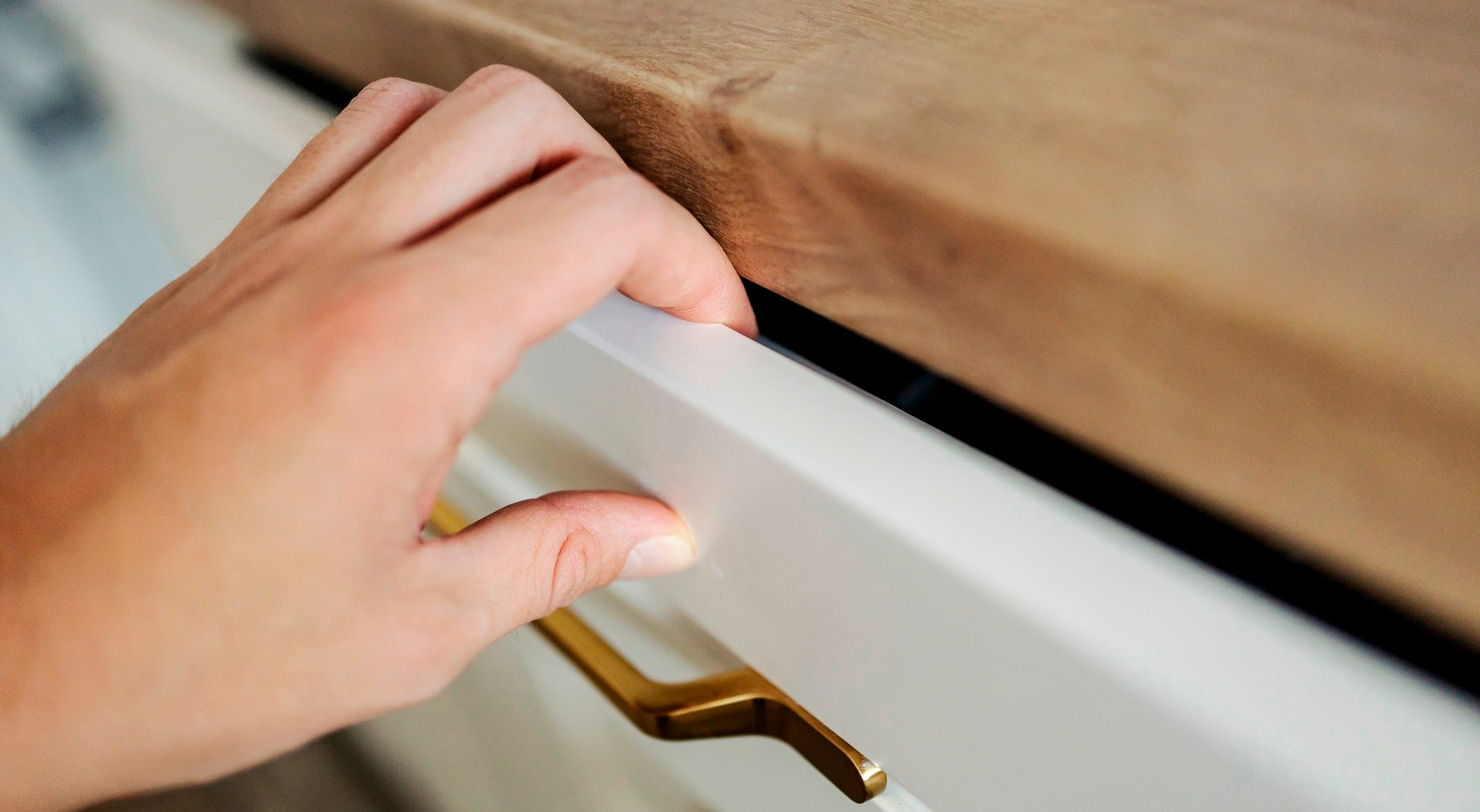
Sarah stood in front of her bedroom dresser on a Sunday afternoon, staring at a drawer she hadn’t opened in a very long time.
She knew exactly what was in there. The silk blouses from her corporate days. The business cards from a career she’d walked away from. A folder of half-finished novel pages she’d sworn she’d return to “when things calmed down.”
Things never calmed down. And she never went back.
That drawer had become a time capsule of who she thought she’d be by now.
The weight of unopened drawers
We all have them—those spaces where old identities go to hide.
Maybe yours is a drawer full of clothes that fit a different body. Or a box of baby items you’re not ready to donate. Perhaps it’s a folder on your computer labeled “Old Dreams” that you can’t bring yourself to delete.
Psychologists call this “ambiguous loss”—grief for something that’s gone but never formally ended. It’s the job you left but still mourn. The version of yourself who was supposed to do big things by 45.
Research from the University of Minnesota’s Center for Loss shows that unresolved ambiguous loss keeps us stuck between two realities.
We’re not fully in our past, but we can’t move forward either.
We just hover. Waiting for permission to let go.
There's a reason Sarah didn't open that drawer for years.
Opening it meant admitting the novel probably wasn’t happening. That the career she’d worked so hard to build didn’t fit her anymore. That the woman she was at 35 isn’t the woman she is at 48.
But here’s what I’ve seen, working with women through midlife transitions: keeping the drawer closed doesn’t protect those old dreams.
It just blocks the space where new ones need to go.
Dr. Mary Lamia, a clinical psychologist who studies emotional development, says we hold onto outdated identities because letting go triggers shame. We think we’re supposed to be consistent. The person we promised we’d be.
And that feels a lot like failure.
But it’s not.
Letting go isn’t about pretending those dreams didn’t matter.
It’s about acknowledging that you’ve changed. That your desires have evolved. That the person you are now has different needs than the person you were then.
Dr. Susan David, author of “Emotional Agility,” describes this as “holding your values lightly and your identity loosely.” When we grip too tightly to who we think we should be, we miss who we’re actually becoming.
The grief is real. Those dreams mattered. That identity served you.
But they don’t have to serve you forever.
When Sarah finally pulled that drawer open, something unexpected happened.
She didn’t cry. She didn’t feel relief. She felt... curious.
The silk blouses looked dated now. The business cards belonged to a version of her who thought success meant a corner office. The novel pages revealed a story she no longer felt compelled to tell.
None of it was bad. It just wasn’t hers anymore.
Neuroscience research shows that when we physically interact with objects tied to old identities, our brain starts the process of re-categorization. We literally begin to see these items differently. Not as who we are, but as who we were.
That shift is everything.
Sarah sorted the contents into three piles: donate, discard, and keep. The “keep” pile was smaller than she expected. A few things from people who’d become real friends. One blouse that still made her feel powerful.
The rest? Released.
Here's what nobody tells you about unopened drawers.
Every day you keep them closed, you’re making a choice. To preserve the past at the expense of the present. To let old identities take up space that new ones actually need.
You don’t have to empty the drawer today. But at some point, it’s worth acknowledging it’s there.
And when you’re ready—when what you’re carrying feels heavier than the fear of letting go—you can pull it open.
Some things will still matter.
Most things won’t.
And that’s okay.
What old version of you is still taking up room in there?
Sarah’s drawer is empty now. She replaced the silk blouses with painting supplies.
She’s not a painter—yet—but she’s curious about becoming one.
That’s the thing about emptying drawers. The space doesn’t stay empty for long.
It gets filled with who you’re becoming next.
What old identity are you preserving that might be keeping you from discovering a new one?
Maybe it’s time to pull it open and make room for your future.
You don’t have to throw everything away. You just have to be honest about what still fits.
And brave enough to release what doesn’t.
Menopause isn’t breaking you down. It’s breaking you open. But open to what, exactly? That’s worth figuring out.
That’s why I built the Midlife Clarity Assessment.
Synchronicity is real. I woke up at 5:20 this morning in my same thought loop - Ruminating about the past. My nightstand drawers hold journals from decades and hollow remains of epic books never written. I had an overwhelming desire to take all and burn them even though they are my story. I lost my only child unexpectedly in 2007. Eight years ago my third marriage had a wake up call. My husband had been cheating for years. I stayed but the person I was is gone and her dreams seem hollow. At age 73 I love the girl who wrote those lines and I don't want to abandon her. Thank you for giving me some fresh perspective and to see I'm not alone on this road. 💞
I faced one of these drawers a few years ago and surprised myself with the past self that I believed was gone. That person was a martial artist. For the third time in my life I joined a local dojo and started at white belt again
I was 56 and now I've passed the rank I was twice before in my journey. Much of the old me had to fall away for this dream to begin again and I am truly focused this time. I intend to make it to a black belt this time and I've stopped letting the things that derailed me before interrupt again. Letting go is part of my success so far. Allowing the grief to process has given space for my determination to progress and I am grateful. 🥋💓